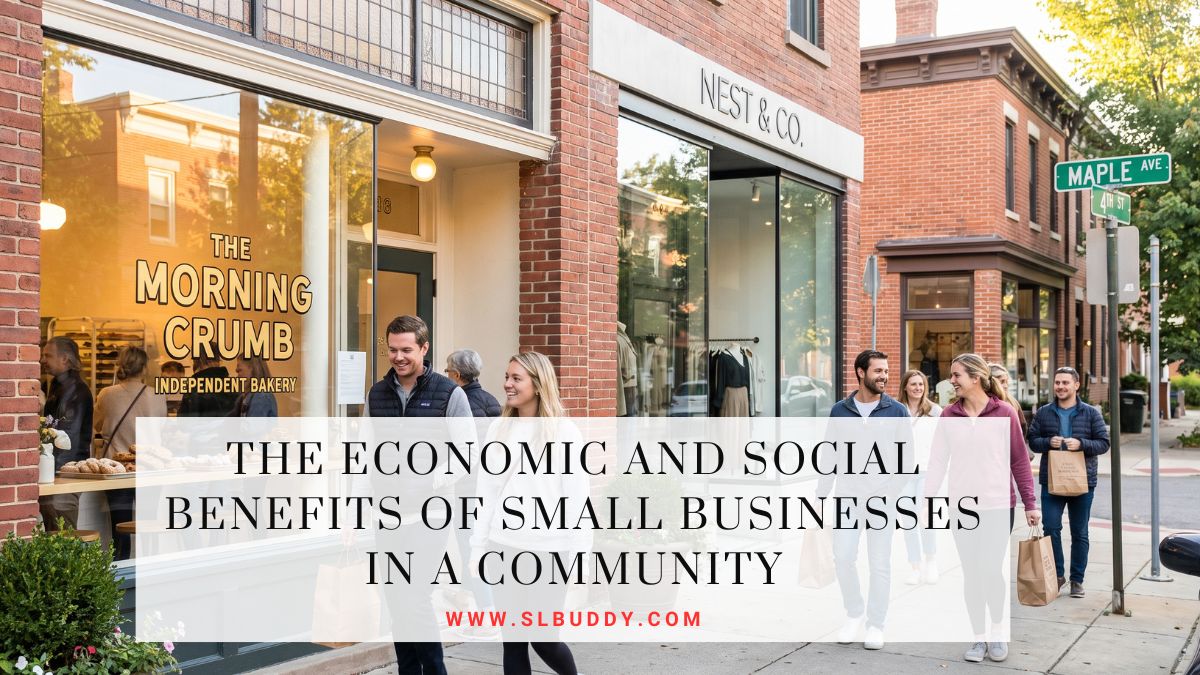
Small businesses are the heartbeat of our communities, driving economic growth from the ground up. While large corporations often dominate the headlines, it is local enterprises that keep neighborhoods thriving. By keeping wealth within the community, crafting tailored products, drawing in tourism, and serving as primary job engines, these businesses build resilient local economies.
Here is a closer look at the powerful economic contributions of small businesses and why supporting them matters.
Economic Contributions of Small Businesses
Small businesses are critical contributors to the local economy, offering a diverse range of goods and services while utilizing the best payment systems for small businesses to keep transactions seamless and cater to the unique needs of the community. By circulating money within the local economy, these enterprises help to sustain economic growth and stability. When residents spend money at small businesses, a significant portion of that revenue remains within the community, supporting other local businesses and creating a ripple effect of economic benefits. Studies highlight that keeping wealth within the community ensures a massive portion of revenue remains local to support other neighborhood storefronts. This circulation of capital fosters a vibrant and resilient local economy, less dependent on external forces.
Moreover, small businesses often provide products and services that are tailored to the specific preferences and needs of the community. This level of customization and personal touch is something that larger, more impersonal corporations often lack. Small businesses can quickly adapt to changing market conditions and consumer preferences, ensuring that they remain relevant and competitive. In fact, understanding the purpose of developing a strong business pitch is often the first step for these local owners to secure community backing. By doing so, they not only meet the demands of local consumers but also contribute to the overall economic dynamism of the area.
In addition to their direct economic contributions, small businesses also play a vital role in attracting visitors and tourists to the community. Unique shops, restaurants, and local attractions create a distinctive character that sets the community apart from others. This appeal can draw visitors from outside the area who are looking for authentic and memorable experiences. As a result, tourism can bring additional revenue into the community, further bolstering the local economy and supporting the growth of small businesses.
Job Creation and Local Employment Opportunities

One of the most significant ways small businesses contribute to community life is through job creation. Local shops often act as primary employment engines in many neighborhoods, offering a wide range of employment opportunities. From entry-level positions to specialized trades, such as learning how to start a local woodworking business, they provide invaluable work close to home.
In addition to creating jobs, small businesses often offer employees the chance to develop new skills and gain valuable experience. Many small business owners prioritize employee development and invest in training programs that help workers enhance their capabilities. This focus on skill development not only benefits the employees but also contributes to the overall economic health of the community. A well-trained and skilled workforce is essential for the growth and success of local businesses, ensuring that they remain competitive and innovative.
Furthermore, small businesses often foster a sense of loyalty and commitment among their employees. Due to their smaller size, these businesses can create a close-knit and supportive work environment where employees feel valued and appreciated. This positive work culture can lead to higher job satisfaction and lower turnover rates, which in turn contributes to the overall stability and growth of the local economy. By providing meaningful employment opportunities and fostering a supportive work environment, small businesses play a crucial role in enhancing the quality of life for community members.
Fostering Local Culture and Identity
Small businesses are instrumental in preserving and promoting the unique culture and identity of a community. Unlike large chain stores that offer standardized products and experiences, small businesses often reflect the distinct character and heritage of their local area. This authenticity and individuality help to create a sense of place and belonging for residents, fostering pride in their community.
Local businesses often showcase the talents and creativity of local artisans, craftspeople, and entrepreneurs. By offering unique and locally-made products, these businesses celebrate the cultural heritage and traditions of the community. This not only helps to preserve these traditions but also introduces them to new generations, ensuring that they remain a vibrant part of the community’s identity. Additionally, small businesses often support local artists and performers by hosting events and exhibitions, further enriching the cultural landscape of the area.
Moreover, small businesses contribute to the overall aesthetic and atmosphere of the community. Charming storefronts, unique signage, and thoughtfully designed interiors create a visually appealing environment that enhances the overall quality of life for residents. These businesses often become landmarks and gathering places where community members can come together to socialize and connect. By fostering a strong sense of local culture and identity, small businesses help to create a vibrant and cohesive community where residents feel a deep sense of belonging and pride.
Building Community Relationships and Networks
Small businesses play a crucial role in building and strengthening community relationships and networks. By providing spaces for social interaction and engagement, these businesses help to foster connections among residents. Local cafes, restaurants, and shops often serve as gathering places where people can meet, socialize, and build relationships. These interactions contribute to a sense of community and belonging, helping to create a supportive and connected environment.
In addition to providing physical spaces for social interaction, small businesses often engage in activities and initiatives that bring the community together. Many small business owners actively participate in local events, festivals, and markets, offering their support and contributing to the overall success of these gatherings. By doing so, they help to create a sense of unity and shared purpose among residents. These events provide opportunities for community members to connect, collaborate, and celebrate their shared identity and heritage.
Furthermore, small businesses often collaborate with other local organizations and institutions to address community needs and challenges. By forming partnerships with schools, nonprofits, and civic groups, small businesses can help to create a network of support and resources for the community. These collaborations can lead to the development of innovative solutions and initiatives that address pressing issues and improve the overall quality of life for residents. By fostering strong relationships and networks, small businesses play a vital role in building a resilient and cohesive community.
Supporting Local Charities and Initiatives
Small businesses are often deeply committed to giving back to their communities through charitable contributions and support for local initiatives. Many small business owners understand the importance of social responsibility and actively seek ways to make a positive impact on their community. By supporting local charities, nonprofits, and community projects, small businesses help to address pressing social issues and improve the overall well-being of residents.
One of the ways small businesses support local charities and initiatives is through financial contributions. Many small business owners allocate a portion of their profits to support local causes and organizations. These donations can help to fund essential services and programs that benefit the community, such as food banks, shelters, and educational initiatives. By providing financial support, small businesses play a crucial role in ensuring that these organizations have the resources they need to carry out their important work.
In addition to financial contributions, small businesses often provide in-kind support and volunteer their time and expertise to local causes. Many small business owners and their employees actively participate in community service projects, offering their skills and resources to help address local needs. This hands-on involvement not only provides valuable support to local initiatives but also helps to build a sense of community and shared responsibility. By actively engaging in charitable activities and initiatives, small businesses demonstrate their commitment to the well-being of their community and contribute to the overall social fabric of the area.
Environmental Impact of Small Businesses
Small businesses can have a positive impact on the environment by adopting sustainable practices and promoting environmental stewardship within their community. Many small business owners are increasingly aware of the importance of sustainability and are taking steps to reduce their environmental footprint. By implementing eco-friendly practices, small businesses can contribute to the overall health and well-being of the community and the planet.
One of the ways small businesses can reduce their environmental impact is by sourcing products and materials locally. By supporting local suppliers and producers, small businesses can reduce the carbon footprint associated with transportation and logistics. Additionally, local sourcing helps to support other local businesses and strengthens the overall economic resilience of the community. By prioritizing sustainability in their supply chain, small businesses can contribute to a more sustainable and environmentally-friendly local economy.
Moreover, small businesses often have greater flexibility to implement innovative and sustainable practices compared to larger corporations. This can include adopting energy-efficient technologies, reducing waste, and promoting recycling and composting. By setting an example and demonstrating the benefits of sustainable practices, small businesses can inspire other community members and businesses to follow suit. This collective effort can lead to a more environmentally-conscious community that is committed to protecting and preserving natural resources for future generations.
The Role of Small Businesses in Promoting Innovation
Small businesses are often at the forefront of innovation, driving creativity and progress within their communities. Due to their smaller size and agility, these businesses can quickly adapt to changing market conditions and experiment with new ideas and approaches. This ability to innovate and take risks is essential for the growth and development of the local economy, as it leads to the creation of new products, services, and business models that meet the evolving needs of consumers.
Innovation within small businesses can take many forms, from the development of new technologies and processes to the creation of unique and customized products. By fostering a culture of innovation, small businesses can differentiate themselves from larger competitors and attract a loyal customer base. This focus on creativity and innovation not only benefits the business but also contributes to the overall economic dynamism of the community. Innovative small businesses can drive economic growth, create new employment opportunities, and enhance the overall quality of life for residents.
Furthermore, small businesses often collaborate with local institutions, such as universities and research centers, to drive innovation and development. These partnerships can lead to the exchange of knowledge and resources, resulting in the creation of cutting-edge solutions and technologies. By working together, small businesses and local institutions can address pressing challenges and create new opportunities for growth and development. This collaborative approach to innovation helps to build a thriving and resilient local economy that is well-equipped to navigate the complexities of the modern world.
Challenges Faced by Small Businesses in Community Engagement
Despite their many contributions, small businesses often face significant challenges when it comes to community engagement. One of the primary obstacles is limited resources, both in terms of time and money. Many small business owners operate on tight budgets and may not have the financial means to support community initiatives or engage in extensive outreach efforts. Additionally, the demands of running a business can leave little time for owners and employees to participate in community activities and events.
Another challenge is the increasing competition from larger corporations and online retailers. These larger entities often have more resources and can offer lower prices, making it difficult for small businesses to compete. This competition can make it challenging for small businesses to attract and retain customers, which in turn can affect their ability to contribute to community life. To overcome this challenge, small businesses must find ways to differentiate themselves and highlight the unique value they bring to the community.
Furthermore, small businesses may also face regulatory and bureaucratic hurdles that can hinder their ability to engage with the community. Complex licensing requirements, zoning regulations, and other administrative barriers can create additional burdens for small business owners. Navigating these challenges requires persistence, creativity, and a strong support network. By working together and advocating for policies that support small businesses, community members and local leaders can help to create an environment where small businesses can thrive and continue to enrich community life.
The Future of Small Businesses in Community Life

As we look to the future, the role of small businesses in enriching community life remains as vital as ever. These enterprises are the true backbone of our local economies, providing essential goods, creating local jobs, and fostering a deep sense of neighborhood belonging. By intentionally supporting local storefronts, we ensure that our towns remain financially vibrant, distinct, and resilient against shifting economic climates.
To thrive in the coming years, small businesses must continue to embrace digital innovation, operational sustainability, and deep community engagement. However, long-term success is a shared responsibility. When we choose to shop small, we aren’t just buying a product—we are directly investing in the public spaces, schools, and neighbors that make our communities home. The next time you make a purchase, consider looking local first and experience the benefits of small businesses in your community firsthand.