If you’re taking creatine to boost your workouts, you’ve probably heard: drink more water! But how much is actually enough?
The answer isn’t as simple as “8 glasses a day.” When you’re supplementing with creatine, your body’s water needs change significantly because creatine pulls water directly into your muscle cells. Drink too little, and you’ll experience cramping and reduce creatine’s effectiveness. Drink too much, and you might overhydrate.
This guide walks you through exactly how much water you need based on your body weight, creatine dosage, training phase, and activity level. Plus, we’ve built a free calculator that does the math for you instantly.
Quick Answer: How Much Water?
During Maintenance Phase (3-5g creatine/day):
- 2-3 liters (8-12 cups) daily baseline
- Plus 250-375ml per dose
During Loading Phase (20-25g creatine/day):
- 3.5-4 liters (14-16 cups) daily
- Plus 1.5-2 liters with divided doses
But your specific needs depend on your weight, activity level, and environment.
IMPORTANT:
- First, determine your optimal daily creatine dosage using our Creatine Dosage Calculator →
- Then, use our Creatine Water Calculator to find your exact daily water intake ↓
Your dosage directly affects your water requirements!
💧 Creatine Water Calculator
Calculate your personalized daily water intake
- Kidney Disease: Pre-existing kidney disease or renal issues
- Heart Conditions: Affecting fluid balance or water retention
- Diabetes: Needs monitoring of fluid intake and blood sugar
- Medications: Taking diuretics or drugs affecting fluid balance
- Edema: Fluid retention or edema conditions
- Pregnancy: Pregnant women (different hydration needs)
- Age: Children under 12 years old
- Electrolytes: History of hyponatremia or electrolyte imbalances
- Hypertension: Uncontrolled high blood pressure
Why Creatine Changes Your Water Needs

How Creatine Works
Creatine is a compound found naturally in your muscles. It helps produce ATP (adenosine triphosphate), the energy currency your cells use during intense exercise. When you supplement with creatine monohydrate, you’re essentially:
- Increasing your muscle’s creatine stores
- Improving ATP regeneration during high-intensity work
- Supporting stronger contractions and better performance
But here’s the catch: creatine is osmotically active, meaning it naturally attracts and holds water inside muscle cells.
Don’t know your dosage yet? Use our Creatine Dosage Calculator to find your personalized daily dosage based on your body weight and goals →
The Water Connection
When you take creatine:
- It travels through your bloodstream to muscle cells
- It accumulates in your muscles (primarily as phosphocreatine)
- It pulls water into these cells, increasing cell volume
- This increases your total daily fluid needs
The specific ratio: 1 gram of creatine monohydrate requires approximately 75 milliliters (2.5 ounces) of water to dissolve and function optimally in your body.
Why This Matters
Adequate hydration with creatine:
- ✓ Supports ATP regeneration (the mechanism creatine works through)
- ✓ Prevents dehydration-related cramping
- ✓ Enhances muscle protein synthesis
- ✓ Supports kidney function
- ✓ Maximizes creatine’s performance benefits
- ✓ Maintains cellular hydration status
Without enough water, your body can’t fully utilize creatine, and you’re more likely to experience side effects.
Creatine Loading Phase vs. Maintenance: Water Requirements

Loading Phase (First 5-7 Days)
Why Load? Loading is optional but speeds up results. Instead of waiting 21-28 days to saturate your muscles, loading does it in about a week.
Typical Protocol:
- Dose: 20-25 grams per day (split into 4-5 doses)
- Example: 5g, four times daily
- Duration: 5-7 days
Water Needs During Loading:
- Base daily intake: 3.5-4 liters (14-16 cups)
- With dosing: Additional 500-750ml mixed with each dose
- Total consideration: You’re consuming creatine throughout the day, so water intake should be consistent and spread out
Why More Water?
- Higher creatine doses pull more water into muscles
- Muscles are flooding with creatine rapidly
- More ATP demand = more water needed for enzyme reactions
- Loading phase is the most common time people experience cramping (almost always from dehydration, not creatine itself)
💡 Need your exact loading dosage? Use our Creatine Dosage Calculator → It calculates loading doses based on your body weight!
Maintenance Phase (Ongoing)
After loading (or if you skip loading), you move to maintenance.
Typical Protocol:
- Dose: 3-5 grams per day (usually once daily)
- Duration: Indefinite (you don’t need to cycle creatine)
- Common dosing schedule: Same time each day, often with a meal
Water Needs During Maintenance:
- Base daily intake: 2-3 liters (8-12 cups)
- With dosing: Additional 225-375ml mixed with your dose
- Activity adjustment: Add 500ml-1L if very active
Why Less?
- Steady-state creatine levels don’t require aggressive hydration
- Lower daily dose means less water pulled into muscles
- You’ve already achieved muscle saturation
- Standard hydration suffices for most people
Factors That Affect Your Water Needs
1. Body Weight
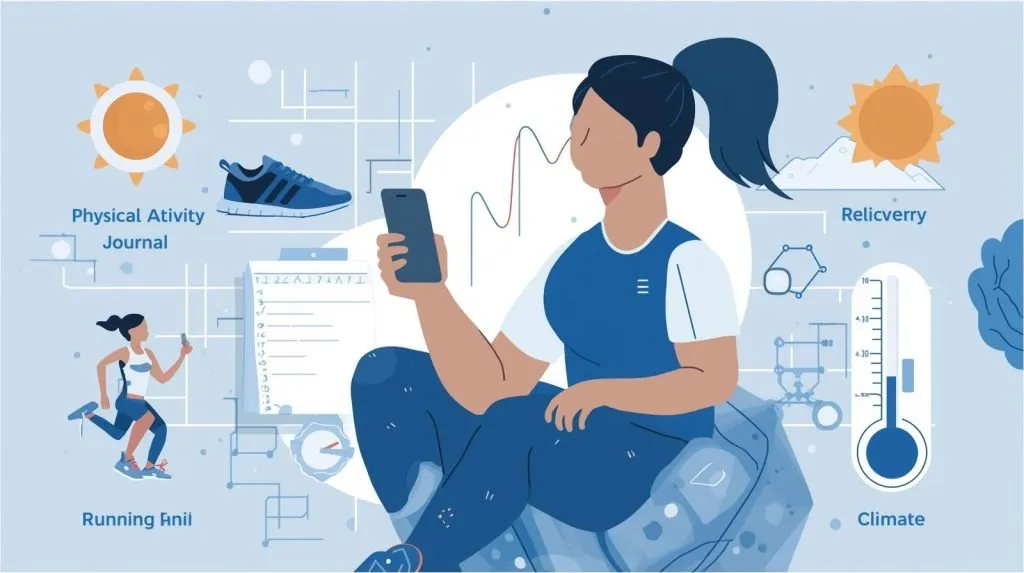
The Formula: Approximately 0.5 ounces per pound of body weight (baseline)
Examples:
- 150-lb person: ~75 oz (2.2L) base daily
- 200-lb person: ~100 oz (3L) base daily
- 250-lb person: ~125 oz (3.7L) base daily
Add 50% more if in the loading phase.
2. Lean Muscle Mass
Muscle tissue requires more water than fat tissue. Athletes with higher muscle mass need more water than someone at the same weight with less muscle.
3. Activity Level
Each 15 minutes of strenuous exercise increases water needs by approximately 8 ounces (250ml).
Activity Adjustment:
- Light (sedentary or light exercise): Stick to base + creatine dose
- Moderate (3-4 workouts/week): Base + 500ml extra daily
- High (6+ workouts/week or cardio-intensive): Base + 1-2 liters extra daily
4. Environmental Temperature
Hot, humid climates increase water loss through sweat. You’ll need to drink more.
5. Diet Composition
- High protein diet: Requires more water (20-25% extra) for kidney processing
- High caffeine: Acts as a diuretic; account for increased loss
- Water-rich foods: Watermelon, cucumbers, and oranges count toward intake
6. Individual Metabolism
Some people naturally sweat more or have higher metabolic rates. This is where urine color monitoring comes in handy.
Using the Calculator Above
The calculator factors in all these variables:
Step 1: First, determine your daily creatine dosage using our Creatine Dosage Calculator →
Step 2: Enter your body weight and preferred unit (lbs or kg) into the water calculator above
Step 3: Select your daily creatine dosage from Step 1
Step 4: Specify your phase (maintenance or loading)
Step 5: Indicate activity level (light, moderate, or high)
Output You Get:
- Total daily water goal (liters, cups, ounces)
- Hourly intake target
- Water needed for mixing doses
- Phase-specific recommendations
The calculator adjusts automatically as you change any input.
Hydration Tracking: How to Know You’re Drinking Enough
Method 1: Urine Color (Most Practical)
Your urine color is the best real-time indicator of hydration status:
- Pale yellow/clear: Properly hydrated ✓
- Light yellow: Good hydration ✓
- Dark yellow/amber: Dehydration warning ⚠️
- Clear as water: Possible overhydration (rare but possible)
Check the first morning void for the most accurate reading.
Method 2: Frequency of Urination
- Every 2-3 hours: Good hydration
- Less frequently: Likely dehydrated
- Very frequent (every 30 minutes): Possible overhydration
Method 3: Physical Signals
Signs of Adequate Hydration:
- Minimal thirst
- Moist mouth
- Skin turgor (skin “springs back” when pinched)
- Good energy levels
- No cramping during workouts
Signs of Dehydration:
- Persistent thirst
- Dry mouth/lips
- Muscle cramps (especially common with creatine)
- Dizziness or lightheadedness
- Dark urine
- Reduced athletic performance
- Headaches
Practical Tips to Hit Your Daily Water Goal
1. Distribute Water Throughout the Day
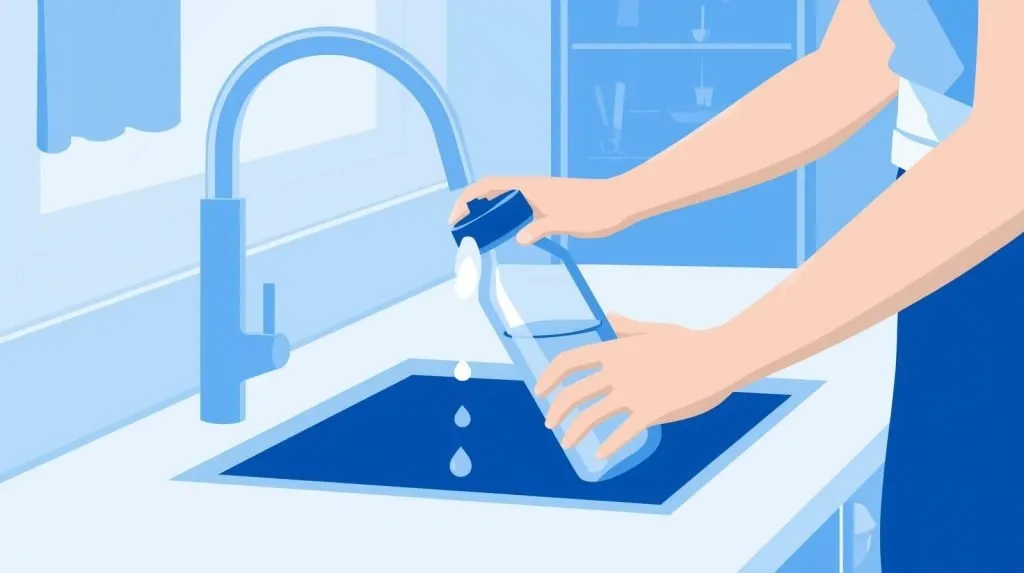
Don’t chug: Drinking water in large amounts at once is uncomfortable and doesn’t hydrate as effectively as sipping throughout the day.
Better approach:
- Morning (upon waking): 16 oz
- Mid-morning (10 AM): 16 oz
- With lunch: 16 oz
- Afternoon (3 PM): 16 oz
- With workout: 16 oz (drink before, during, after)
- Evening: 16 oz
This spreads a gallon across the day naturally.
2. Time with Meals
Taking your creatine dose with carbs and protein enhances absorption through insulin-mediated mechanisms. Drinking water at the same time makes it easier to remember.
3. Use Reminders
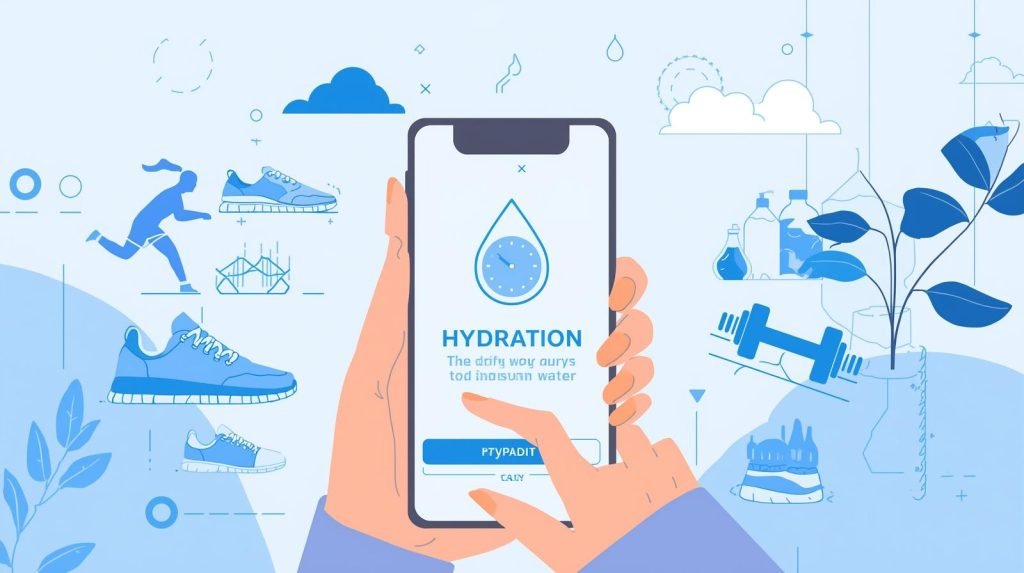
- Phone alarms every 60-90 minutes
- Water bottle tracking (mark time goals on your bottle)
- Hydration apps (MyFitnessPal has water logging)
4. Include Water-Rich Foods
You don’t need 100% of water from drinks. These foods count:
- Watermelon (~92% water)
- Cucumbers (~96% water)
- Oranges (~87% water)
- Strawberries (~91% water)
- Lettuce (~95% water)
- Tomatoes (~95% water)
A salad with your lunch can contribute 200-300ml of water.
5. Monitor Caffeine Intake
Caffeine is a mild diuretic. If you drink coffee before/after workouts, add an extra 8-12 oz of water.
Common Myths About Creatine and Water

Myth #1: Creatine Causes Bloating and Water Retention
Truth: Creatine causes intracellular water retention (inside muscle cells), which is beneficial and not visible bloating. It actually makes muscles look fuller and supports hypertrophy. The water stays inside cells, not under your skin. Only dehydration causes the puffy, uncomfortable bloating people confuse with creatine.
Myth #2: I Need to Cycle Creatine
Truth: You don’t. Creatine doesn’t suppress natural production (your body always makes it). You can take 3-5g daily indefinitely. Your muscles are always going to benefit from it.
Myth #3: Too Much Water with Creatine is Bad
Truth: Overhydration is rare. You’d need to drink extreme amounts (several gallons in a short time) to cause hyponatremia (dangerously low sodium). Just drink when thirsty and monitor urine color. Your kidneys naturally regulate excess water.
Myth #4: Creatine Damages Your Kidneys
Truth: Decades of research show no kidney damage from creatine (with adequate hydration). The confusion comes from the fact that creatinine (a creatine byproduct) is used to measure kidney function. Higher creatinine levels on creatine are expected and not harmful. As long as you drink enough water, creatine is completely safe for healthy individuals.
Myth #5: I Should Load Creatine
Truth: Loading is optional. Skipping it and taking 3-5g daily still saturates muscles—it just takes 21-28 days instead of 7. Loading only matters if you want faster results. Both approaches are equally safe and effective.
FAQ
What if I miss a day of drinking the calculated water?
One day won’t harm you. Just get back on track the next day. Your hydration status isn’t determined by a single day. However, consistency matters—aim to hit your target most days, not perfectly every day.
Can I drink too much water on creatine?
A: Extremely unlikely in normal circumstances. Your kidneys are excellent at regulating water balance. The only risk is drinking several gallons in a very short time, which can cause hyponatremia. Just drink normally and monitor urine color.
Should I take creatine with water or other beverages?
Water is fine. Some research suggests mixing with juice or a carb+protein shake slightly enhances creatine uptake due to insulin effects. But plain water works perfectly.
Do I need electrolytes when taking creatine?
Not necessarily. Electrolytes are beneficial for intense training or hot climates, but creatine doesn’t specifically require them. Eat normally (which includes sodium from food) and drink water—you’re fine.
What’s the best time to take creatine?
Timing matters less than consistency. Take it whenever you’ll remember—morning, with meals, or post-workout. Consistency over 21-28 days matters far more than the specific time of day.
How long until I see results?
Creatine is relatively fast-acting compared to other supplements:
2-3 weeks: Initial muscle saturation, modest performance boost
4-6 weeks: Noticeable strength gains, muscle fullness increases
8+ weeks: Significant muscle mass gains from improved training capacity
Does creatine work differently for men vs. women?
No. The dosage is the same (based on body weight), and the effects are similar. Women may see slightly different effects based on hormonal cycles, but the supplement works the same way.
Can I take creatine without working out?
Yes, creatine has benefits beyond muscle building (brain health, energy production). But if your goal is muscle gain and strength, training is necessary for creatine to demonstrate its muscle-building benefits.
The Bottom Line
When taking creatine, proper hydration isn’t optional—it’s essential for:
- Maximizing creatine’s performance benefits
- Preventing cramping and side effects
- Supporting kidney function
- Enabling ATP regeneration
Use our calculator to find your exact water needs, then commit to hitting that target daily. Most people need 2-3 liters during maintenance and 3.5-4 liters during loading, but your specific amount depends on your unique situation.
Pro tip: Make hydration automatic by using the strategies above (reminders, water-rich foods, timing with meals). After a week, hitting your water goal becomes second nature.
Start today, track your hydration, and watch your strength gains accelerate.
Who Should Follow These Water Recommendations?

✓ You Should Follow These Recommendations If You:
Athletes & Fitness Enthusiasts:
- Training 3+ times per week with intensity
- Doing resistance training or strength sports
- Engaged in high-intensity cardio or sprinting
- Anyone actively supplementing with creatine
Generally Healthy Adults:
- Adults aged 18-65 years old
- With normal kidney function
- No pre-existing medical conditions
- Not taking medications that affect hydration
Active Individuals:
- In hot climates or humid environments
- Sweating frequently from activity or heat
- Strength athletes (weightlifters, powerlifters)
- Endurance athletes needing elevated hydration
- Vegetarians/vegans on creatine (see extra benefits)
⚠️ You Should Be Cautious or Consult Your Doctor If You Have:
Medical Conditions:
- Pre-existing kidney disease or renal issues
- Heart conditions affecting fluid balance or water retention
- Diabetes (needs monitoring of fluid intake and blood sugar)
- Uncontrolled high blood pressure or hypertension
- Edema or fluid retention conditions
- History of electrolyte imbalances or hyponatremia
Current Medications or Situations:
- Taking diuretic medications or drugs affecting fluid balance
- Taking medications that affect kidney function
- Pregnant women (different hydration needs than normal)
- Breastfeeding women
- Children under 12 years old
- Anyone with autoimmune conditions
Important Medical Disclaimer
These water intake recommendations are guidelines for generally healthy individuals taking creatine supplements. Your individual hydration needs may vary based on:
- Your body composition
- Your specific medical history
- Medications you’re taking
- Your climate and environment
- Your individual sweat rate
- Any pre-existing health conditions
Always consult with your healthcare provider before starting creatine supplementation or significantly increasing your water intake, especially if you:
- Have any pre-existing health conditions
- Take any medications
- Have a family history of kidney disease
- Are pregnant, breastfeeding, or under 18
- Have diabetes or other metabolic conditions
Listen to your body. While these recommendations provide a starting point, monitor your urine color (pale yellow = well hydrated), watch for signs of dehydration, and adjust your intake based on your individual needs and professional medical guidance.
Resources
- Journal of the International Society of Sports Nutrition (JISSN) – Creatine Supplementation Research
- International Society of Sports Nutrition – Creatine Position Stand
- Your local healthcare provider – Before starting any supplement regimen
Disclaimer: This article is for educational purposes. Always consult with a healthcare provider before starting creatine supplementation, especially if you have existing health conditions or take medications.