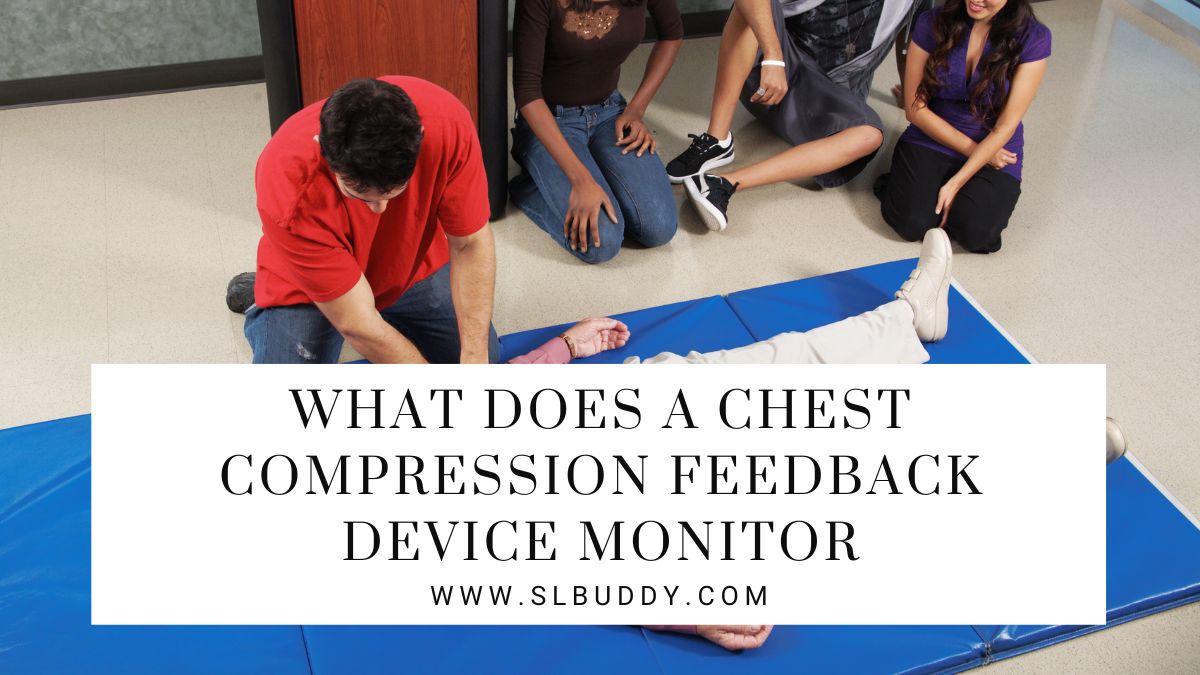
Cardiopulmonary resuscitation (CPR) is a critical life-saving procedure that has been practiced for decades.
At the heart of CPR lies the technique of chest compressions, which serve as an artificial means to maintain blood circulation when the heart stops beating.
Over the years, as medical science has advanced, so has the understanding of the nuances and intricacies of delivering effective chest compressions.
It’s not just about pushing down on the chest; it’s about the depth, rate, and position of each compression.
Recognizing the importance of these factors, the medical community has embraced technology to aid in the process.
Enter the chest compression feedback device, a groundbreaking tool designed to monitor and guide the quality of chest compressions in real-time.
This article aims to delve deep into the science, utility, and future of these devices in the realm of emergency care.
1. The Science Behind Chest Compressions
The human heart, a muscular organ roughly the size of a fist, is responsible for pumping blood throughout the body.
This blood carries vital oxygen and nutrients to organs and tissues. When the heart stops, so does this essential circulation, leading to oxygen deprivation and potential organ damage.
The role of chest compressions in circulating blood
In the absence of a beating heart, chest compressions step in as a manual method to maintain some degree of blood flow.
By rhythmically pressing down on the chest, the heart is squeezed between the sternum and the spine, forcing blood out of the heart and into the circulatory system.
This action, while not as effective as a natural heartbeat, provides a temporary solution to keep vital organs, especially the brain, oxygenated.
Without this intervention, irreversible brain damage can occur within minutes, leading to a significant decrease in the chances of a favorable outcome.
Why depth and rate matter:
The effectiveness of chest compressions isn’t just about exerting pressure; it’s about how that pressure is applied.
The depth of each compression determines the volume of blood pushed out of the heart. Too shallow, and the blood volume is insufficient; too deep, and there’s a risk of causing injury.
The American Heart Association recommends a depth of about 2-2.4 inches for adults. The rate, on the other hand, dictates the frequency of these artificial “heartbeats.”
A rate too slow might not provide enough blood flow, while too fast can lead to inefficient compressions and increased fatigue for the rescuer. The recommended rate is between 100-120 compressions per minute.
2. Understanding Chest Compression Feedback Devices
In the high-pressure scenario of a cardiac arrest, even the most trained individuals can struggle to maintain consistent, guideline-adherent compressions.
This inconsistency can have dire consequences for the patient.
What is a chest compression feedback device?
This innovative device is equipped with sensors and advanced algorithms to monitor the quality of chest compressions in real-time.
It evaluates various parameters like depth, rate, and hand positioning, providing instant feedback to the rescuer.
Some devices come with visual displays, while others offer auditory cues, ensuring that the rescuer is always aware of their performance.
How does it differ from traditional CPR methods?
Traditional CPR relies heavily on the rescuer’s judgment, training, and physical cues. While training does instill certain muscle memories, in the heat of the moment, deviations can occur.
The feedback device acts as an objective, real-time coach, ensuring that the compressions are always within the recommended guidelines.
It eliminates guesswork and provides a data-driven approach to CPR, enhancing the chances of a successful resuscitation.
3. Key Metrics Monitored by the Device
Effective CPR is a combination of multiple factors working in harmony. The chest compression feedback device is designed to monitor these critical parameters to ensure optimal resuscitation efforts.
Compression depth: Hitting the sweet spot
Depth is a crucial metric. Every compression needs to be deep enough to squeeze the heart and facilitate blood flow but not so deep that it risks injuring the patient.
The device continuously measures the depth of each compression, ensuring they remain within the 2-2.4 inches range for adults.
If the compressions are too shallow or too deep, the device alerts the rescuer, allowing for immediate correction.
This continuous monitoring ensures that the blood flow remains consistent, maximizing the chances of reviving the patient.
Compression rate: Finding the right rhythm
The heart beats at a certain rhythm, and while performing CPR, it’s essential to mimic this rhythm as closely as possible.
The device tracks the rate of compressions, ensuring it stays within the recommended 100-120 compressions per minute.
A consistent rhythm ensures that the heart and brain receive a steady supply of oxygenated blood, crucial for survival.
Hand positioning: Ensuring optimal impact
The position of the hands during compressions can significantly influence their effectiveness. The device uses advanced sensors to detect the exact placement of the hands on the chest.
If the hands drift from the optimal position, the device provides feedback, ensuring that the compressions are always centered and effective.
4. The Role of Real-time Feedback
In the dynamic scenario of a medical emergency, every second counts. The ability to receive and act on feedback instantly can be the difference between life and death.
Immediate corrections for more effective CPR
Mistakes, even minor ones, can compromise the effectiveness of CPR. The device’s real-time feedback mechanism allows rescuers to adjust their technique instantly.
This adaptability ensures that the quality of compressions remains consistently high, increasing the chances of a successful resuscitation.
Enhancing the confidence of the rescuer
CPR, especially in a real-life scenario, can be stressful. Doubts about one’s technique can creep in, affecting performance.
The feedback device acts as a reassuring presence, confirming when the rescuer is doing things right and guiding them when adjustments are needed.
This reinforcement boosts the rescuer’s confidence, ensuring they can focus entirely on the task at hand.
5. Benefits of Using a Feedback Device
The integration of technology into CPR has brought about a paradigm shift in how resuscitation is approached and delivered.
Improved patient outcomes: The statistics
Multiple studies have highlighted the benefits of using feedback devices. Consistent, guideline-adherent compressions have been linked to higher survival rates and better neurological outcomes.
The device ensures that these standards are met consistently, even in high-pressure situations.
Reducing the guesswork in emergency situations
Emergencies are chaotic. Amidst the chaos, the feedback device offers a guiding hand, providing clear, objective data on the quality of compressions.
This clarity eliminates guesswork, ensuring that the patient receives the best possible care.
6. Limitations and Considerations
While chest compression feedback devices offer numerous advantages, it’s essential to recognize their limitations and the considerations that come with their use.
When the device might not be effective
No single tool is universally perfect. There are scenarios where the feedback from the device might be less accurate.
For instance, in patients with certain chest deformities or in situations where the surface underneath the patient is not firm, the device’s readings might be skewed.
It’s crucial for rescuers to be aware of these potential discrepancies and use their judgment in conjunction with the device’s feedback.
What is the nuances of individual patients
Every patient is unique. Factors like age, body type, and underlying medical conditions can influence the dynamics of CPR.
For instance, compressions on a child would differ significantly from those on an adult.
The device provides general feedback based on established guidelines, but the rescuer must always consider the individual nuances of each patient.
7. Training and the Feedback Device
The introduction of any new tool in medical practice necessitates comprehensive training to ensure its effective utilization.
The importance of practice with real-time feedback
Training with real-time feedback accelerates the learning curve. Rescuers can instantly see the results of their actions, understand their mistakes, and rectify them.
Over time, this continuous feedback ingrains the correct techniques, making them second nature.
How training with the device can improve overall CPR quality
Consistent training sessions using the feedback device ensure that rescuers are always updated on best practices.
This regular exposure to feedback reinforces the importance of guideline-adherent compressions, leading to a higher standard of CPR across the board.
8. Incorporating Technology in Life-saving Techniques
The medical field has always been at the forefront of technological integration, and CPR is no exception.
The evolution of CPR with technological advancements
From the rudimentary methods of the past to the sophisticated techniques of today, CPR has undergone a significant transformation.
The feedback device is a testament to this evolution, representing a fusion of medical knowledge and technological prowess.
Other devices that complement the feedback system
The feedback device is just one piece of the puzzle. Other technological aids, like automated external defibrillators (AEDs), ventilation devices, and even telemedicine platforms, work in tandem with the feedback device.
Together, they create a comprehensive system that maximizes the chances of successful resuscitation.
The bottom line
The future of CPR is intertwined with technological advancements. Chest compression feedback devices, with their real-time monitoring and guidance, symbolize the next step in this journey.
Their potential to improve patient outcomes is immense. However, as with all tools, their effectiveness lies in their proper utilization.
It’s imperative for healthcare professionals to receive adequate training and stay updated on the latest guidelines.
As technology continues to evolve, the collective goal remains unchanged: to save lives and provide the best possible care for cardiac arrest victims.
Don’t miss: Who Has Overall Responsibility for Managing the On-Scene Incident?
FAQs
Chest compression feedback devices have revolutionized the way CPR is administered, ensuring that life-saving compressions are delivered with optimal efficiency.
These devices provide real-time insights into the quality of compressions, guiding rescuers to adhere to best practices.
To further understand their role and significance, here are some frequently asked questions and their answers:
What does a chest compression feedback device monitor in CPR?
A chest compression feedback device monitors the quality of chest compressions in real-time, evaluating parameters like depth, rate, and hand positioning to ensure they meet recommended standards.
Does a chest compression feedback device monitor pulse rate or breath rate?
No, the primary focus of a chest compression feedback device is to monitor the depth, rate, and positioning of chest compressions. It does not monitor pulse rate or breath rate.
What does a chest compression device do?
A chest compression device provides real-time feedback on the quality of chest compressions during CPR. It uses sensors and algorithms to evaluate if the compressions are within the recommended guidelines, ensuring effective blood circulation and oxygen delivery.
How do you use a CPR feedback device?
A CPR feedback device is placed on the patient’s chest during resuscitation. As the rescuer performs compressions, the device provides real-time data, either visually or audibly, indicating if adjustments are needed in compression depth, rate, or hand positioning.
Why is real-time feedback crucial during CPR?
Real-time feedback ensures that chest compressions are consistently effective and adhere to guidelines. Immediate corrections can be made, maximizing the chances of successful resuscitation and improving patient outcomes.